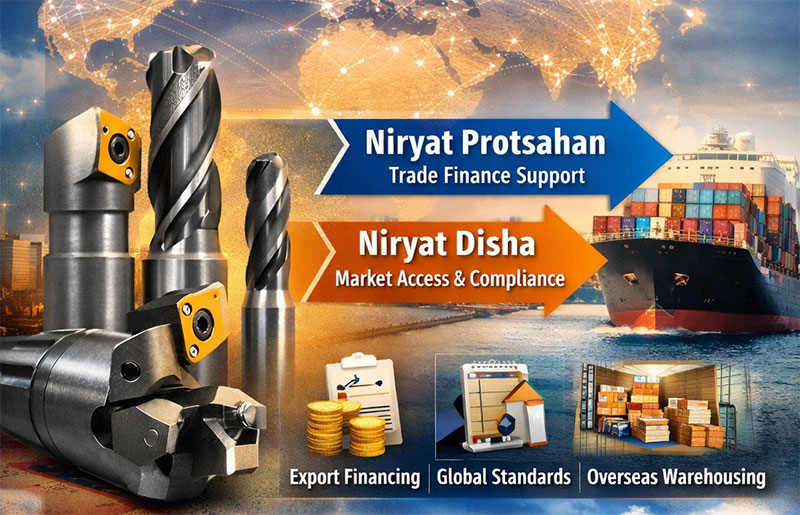
The Export Promotion Mission (EPM), approved by the Government of India in November 2025, is…
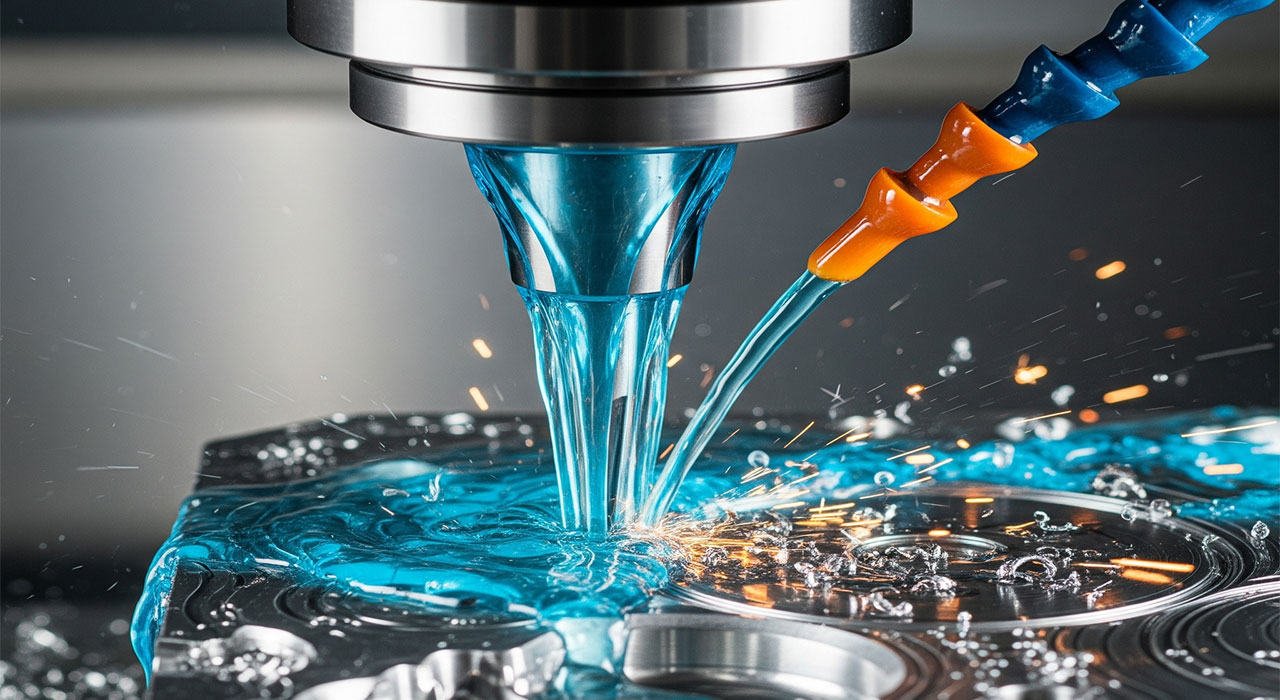
Precision in Every Drop: How Next-Gen Lubricants Optimize Tool Life
In the dynamic landscape of modern machining, where demands for tighter tolerances, faster speeds, and extended tool life are constantly escalating, the role of cutting fluids and lubricants has become increasingly critical. No longer mere commodities, next-generation lubricants are sophisticated high-performance solutions engineered to optimize machining processes, enhance tool longevity, and improve overall operational efficiency for manufacturers in Thane, Maharashtra, and across the globe.
The global market for metalworking fluids is a significant one, valued at approximately 12 billion USD, and is projected to reach over 15 billion USD by 2028, demonstrating the continued importance and innovation in this sector. This growth is driven by the increasing complexity of materials being machined, the adoption of advanced machining techniques, and a heightened focus on sustainability and worker safety.
One of the key trends shaping the next generation of lubricants is the development of high-performance synthetic fluids. Unlike traditional mineral oil-based lubricants, synthetic fluids offer superior thermal stability, oxidation resistance, and lubricity. This translates to better cooling and chip evacuation, reduced friction and wear on cutting tools, and the ability to operate at higher cutting speeds and feed rates. For manufacturers in Thane dealing with demanding materials like aerospace alloys or hardened steels, these synthetic lubricants can significantly improve machining efficiency and part quality.
Another crucial area of innovation is the development of Minimum Quantity Lubrication (MQL) and near-dry machining techniques. These strategies aim to drastically reduce the volume of lubricant used in machining operations. MQL systems deliver a precisely metered, fine mist of lubricant directly to the cutting zone, minimizing fluid consumption, reducing waste disposal costs, and creating a cleaner working environment. The global MQL market is experiencing substantial growth, with projections indicating a value of over 2 billion USD by 2025, reflecting the increasing adoption of sustainable machining practices. For SMEs in Thane looking to reduce operational costs and improve their environmental footprint, MQL offers a viable and effective solution.
Furthermore, advancements in nanotechnology are being incorporated into lubricant formulations. Nanoparticles with exceptional lubricity and thermal conductivity are being added to cutting fluids to enhance their performance characteristics. These nano-enhanced lubricants can further reduce friction, improve heat dissipation, and extend tool life, leading to significant cost savings in tooling and downtime. While still in a relatively early stage of adoption, this technology holds immense potential for future advancements in machining efficiency.
The focus on environmental sustainability is also heavily influencing the development of next-gen lubricants. There is a growing demand for bio-based and readily biodegradable cutting fluids that minimize environmental impact and improve worker safety. Regulations regarding the handling and disposal of conventional metalworking fluids are becoming increasingly stringent, driving the adoption of more eco-friendly alternatives. The market for bio-based lubricants is steadily expanding, with a projected global value of over 3 billion USD by 2025. For manufacturers in Thane aiming to comply with environmental standards and create a healthier workplace, these bio-based options are becoming increasingly attractive.
Moreover, the integration of smart technologies, such as sensors that monitor lubricant condition and performance in real-time, is emerging. These systems can track parameters like viscosity, temperature, and contamination levels, allowing for proactive maintenance and timely fluid changes, further optimizing machining processes and reducing unexpected equipment failures.
In conclusion, next-generation lubricants are playing a pivotal role in enabling modern machining to achieve higher levels of performance, efficiency, and sustainability. For manufacturers in India, and across the globe, embracing these advanced fluid technologies is crucial for staying competitive, reducing operational costs, and meeting the evolving demands of the industry. The ongoing innovation in synthetic fluids, MQL systems, nano-enhanced lubricants, and bio-based formulations, coupled with the integration of smart monitoring, signifies a transformative era in the world of metalworking fluids.
Related Posts