The Export Promotion Mission (EPM), approved by the Government of India in November 2025, is…
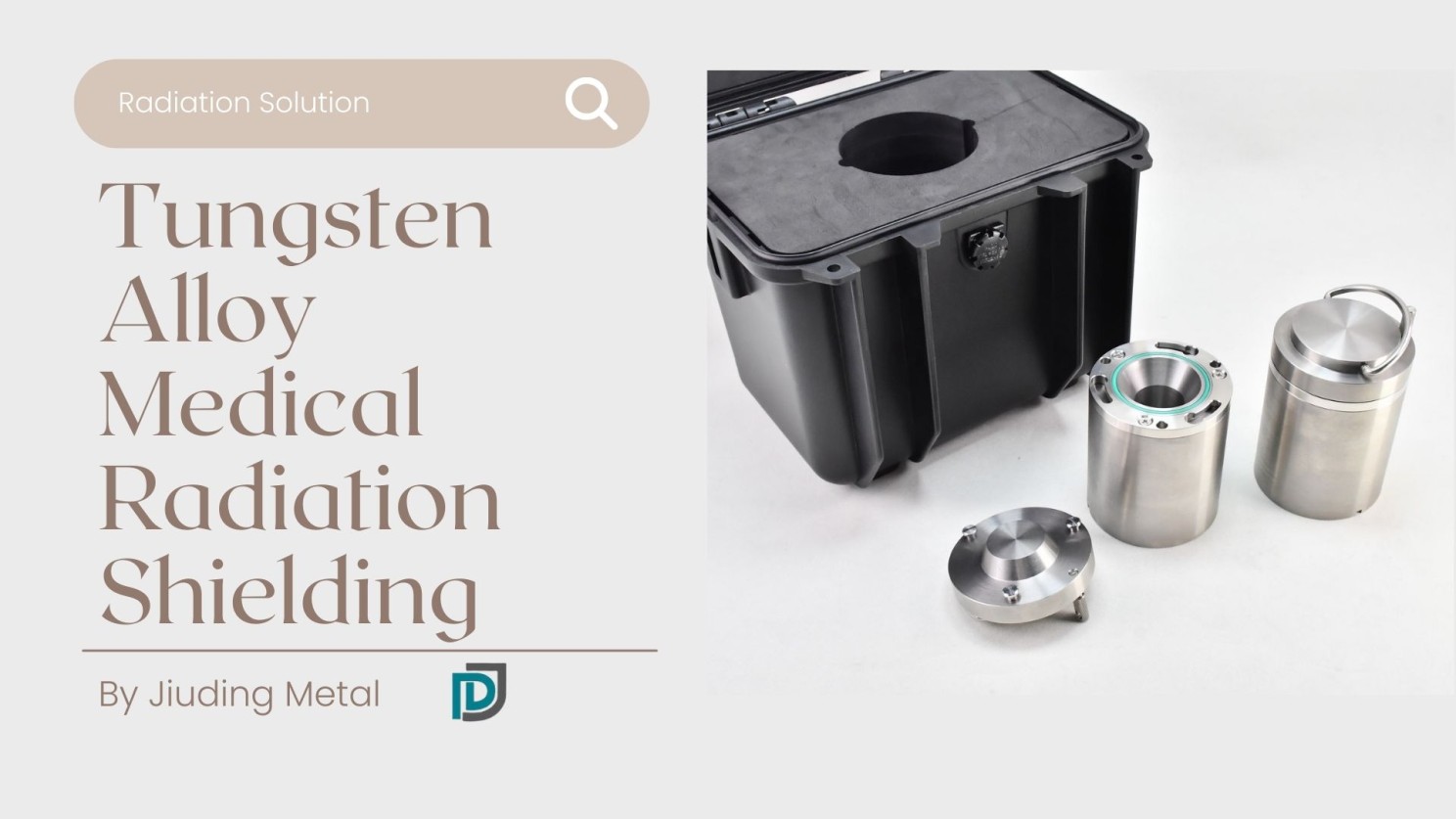
Tungsten Has No Ceiling: From Industrial Metal to Strategic Sovereignty Pricing (2026 Outlook)
In the new era, tungsten is no longer simply a commodity.
It has become a physical carrier of national sovereignty, and its price is increasingly shaped not only by supply and demand, but by:
- The intensity of U.S.–China strategic competition
- The speed of the global energy transition
- The rise of resource nationalism and export controls
When a material’s price is determined less by market cycles and more by state-level strategic intent, the traditional question of “Where is the price ceiling?” becomes outdated.
Tungsten is not experiencing a normal cyclical rally. It is undergoing a complete reconstruction of global strategic resource pricing power.
1. “No Ceiling” Means a Shift in Pricing Logic
The Old Framework: Industrial Commodity Pricing
In the past:
- Tungsten was treated like an industrial additive
- Prices followed marginal supply-demand balance
- Rising too far meant inevitable correction
- A clear “ceiling” existed
The New Framework: Strategic Asset Pricing
Today:
- Tungsten is a geopolitical hard currency
- Pricing includes strategic premiums
- Demand is rigid and non-substitutable
- Supply is structurally locked
The logic has changed — and so the ceiling disappears.
2. Three Forces Are Rewriting Tungsten’s Value
(1) Supply Is Not Tight — It Is Actively Locked
Tungsten supply is no longer “slightly constrained.” It is being deliberately protected through:
- Mining quotas
- Strategic stockpiling
- Export controls
- Environmental and technical barriers
This is not cost-based pricing anymore.
It is resource sovereignty pricing.
(2) Demand Is Not Rising — It Is Becoming Non-Optional
In sectors such as:
- Photovoltaics
- Defense and aerospace
- Semiconductors
- Advanced manufacturing
- Future energy systems
Tungsten is not a flexible consumable.
It is a bottleneck material.
Downstream industries cannot simply “switch away,” which means price sensitivity declines dramatically.
(3) Security Premium Is the New Normal
In an era of deglobalization:
Rare strategic metals are becoming a form of “energy currency.”
Tungsten pricing now naturally embeds:
- National resource premium
- Supply chain security premium
- Long-term scarcity premium
- Non-renewable strategic value premium
3. Tungsten’s Identity Upgrade Is Already Underway
Tungsten is completing a historic transition:
From:
“Cheap industrial auxiliary material”
To:
“Strategic foundation that must be defended”
Once the identity changes, the pricing framework changes permanently.
Why 2026 Is Becoming a Milestone Year for Tungsten
Across the industry, the consensus is growing rapidly:
2026 is not just another price cycle — it is a structural breakout year.
With the conclusion of China’s “14th Five-Year Plan” and the 40th anniversary of the Tungsten Industry Association, the sector is entering a phase of transformation:
From raw material export → high-end strategic materials leadership.
Three powerful engines are driving the 2026 surge.
Engine 1: Supply Contraction Is Now Structural
Supply tightening is no longer temporary — it is policy-backed and irreversible.
Key developments:
- Mining quota cut another 8% 2026 national mining control target reduced to ~120,000 tons, down 8% YoY.
- New industry regulations = “one-vote veto” The Ministry of Industry and Information Technology released stricter 2026 tungsten standards, raising environmental and technical thresholds (e.g., recovery rate ≥85%). Many small and mid-sized mines will exit.
- Inventories at decade lows As of mid-January 2026, domestic concentrate inventories cover only ~1.2 months of consumption, leaving no buffer.
Engine 2: New Demand Is Driven by “Next-Generation Productivity”
Demand is no longer dependent on traditional tooling alone.
It is being pulled by three strategic growth pillars:
Photovoltaic Tungsten Wire (Core Increment)
Tungsten wire is rapidly replacing carbon steel wire in diamond cutting due to larger and thinner silicon wafers.
Penetration is expected to exceed 60% in 2026, moving toward full substitution.
AI and Semiconductor Expansion
AI servers and advanced chip manufacturing require ultra-fine PCB micro-drills — tungsten is a critical input.
The global AI race is now a tungsten demand driver.
Defense and Aerospace Rigidity
Armor penetrators, aerospace engines, and military alloys are not price-sensitive sectors.
Demand is strategic and non-negotiable.
Engine 3: Market Data Confirms an “Acceleration Channel”
The price surge is already visible in early 2026 market benchmarks:
- Wolframite concentrate has exceeded RMB 600,000/ton, compared to RMB 143,000/ton in early 2025 → Over 300% increase
- APT has reached RMB 970,000/ton
This is not short-term speculation.
Overseas mine development requires 3–5 years, meaning supply relief is structurally impossible in the near term.
The tungsten price center is being permanently lifted.
Tungsten Has Entered a New Era
2026 is shaping up to be a landmark year.
Under the dual squeeze of:
- Structural supply contraction
- Explosive strategic demand expansion
Tungsten is moving into a new pricing regime where:
Resource security outweighs cyclical pricing, and strategic value outweighs cost logic.
In this environment, “resource is king” is no longer a slogan.
It is becoming industrial reality.
The tungsten surge is not a possibility. It is already happening.
Related Posts